Los Angeles, California
Concrete built forLos Angeles ground
Driveways, patios, walkways, foundations, slabs, decorative flatwork and repair — poured with the prep work that decides how long a slab lasts in this climate and on these lots.
View Our Google Business Profile (opens Google Maps in a new tab)
What we pour
What we pour across Los Angeles
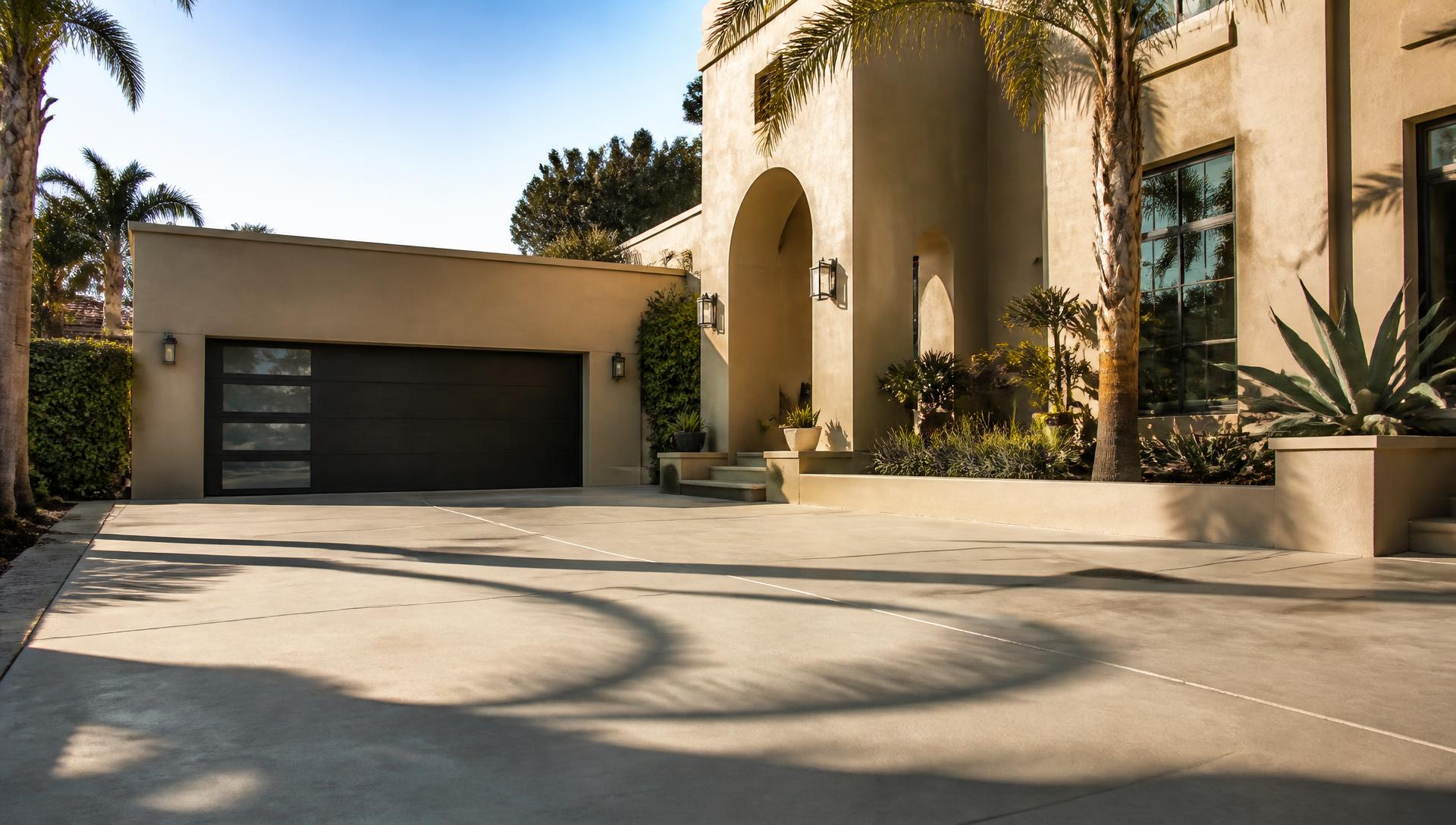
Driveways
New pours, tear-out and replacement, widenings and aprons built for daily LA driving.
Driveways detailsPatios & Walkways
Backyard patios, entry walks, side yards and steps sized for how you actually use the space.
Patios & Walkways detailsFoundations & Slabs
Footings, stem walls, slab-on-grade and pads for additions, garages and ADUs.
Foundations & Slabs detailsDecorative Concrete
Stamped patterns, integral and release color, sawn score lines, borders and bands.
Decorative Concrete detailsRepair & Resurfacing
Crack repair, spall patching, trip-hazard grinding, overlays and honest replace-instead advice.
Repair & Resurfacing detailsCommercial Concrete
Sidewalks, ADA-conscious paths of travel, pads, curbs and light-industrial flatwork.
Commercial Concrete details
How we work
Prep first. Finish second.
Almost every failed slab we’re asked to look at failed underneath — soft subgrade, water running the wrong direction, panels too large for the movement, or concrete poured too thin for what rolls over it. Those are decisions made before the truck arrives.
So that’s where our attention goes: excavation and compaction, base rock, reinforcement, elevations that drain, and joint layout that decides where the slab relieves stress.
Compacted subgrade
Over-excavation of soft spots, old fill and trench lines, then compaction before forming.
Drainage planned on paper
Elevations set so water leaves the slab and moves away from the structure, not toward it.
Joints where they belong
Panel sizing and sawn or tooled joints so movement shows in straight, intended lines.
Clear written scope
Dimensions, thickness, reinforcement, finish and exclusions in writing before we start.
How the work goes
Our process, start to finish
- 01
Phone conversation
You call, we ask what the slab is doing, how the space is used and what access looks like. Photos help. No form to fill out.
- 02
On-site look
We walk the area, check drainage, subgrade and existing concrete, and confirm measurements and elevations.
- 03
Written scope
You get the scope in writing: dimensions, thickness, reinforcement, finish, joint layout and what's excluded.
- 04
Prep and forming
Demolition and haul-off, grading and compaction, base rock, forms, reinforcement — the part that determines the outcome.
- 05
Pour and finish
Placement, screeding, floating, the finish you chose, and joints cut or tooled where they belong.
- 06
Cure and walkthrough
We tell you when to stay off it, when vehicles can return, and we walk the finished work with you.
Work
Project gallery
Reference images of the finishes and surface types described on this site. Photographs of completed local projects will replace these placeholders.
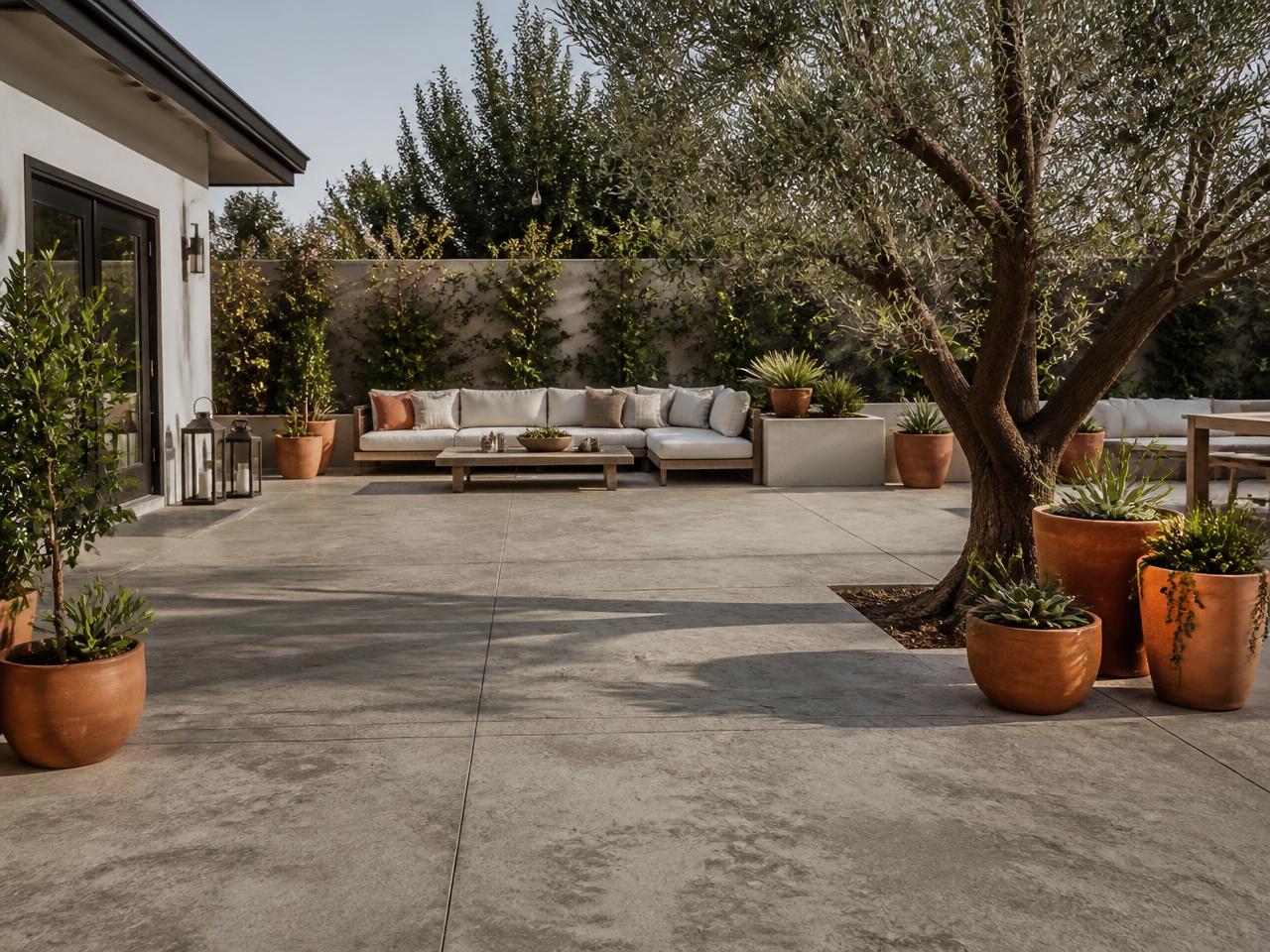
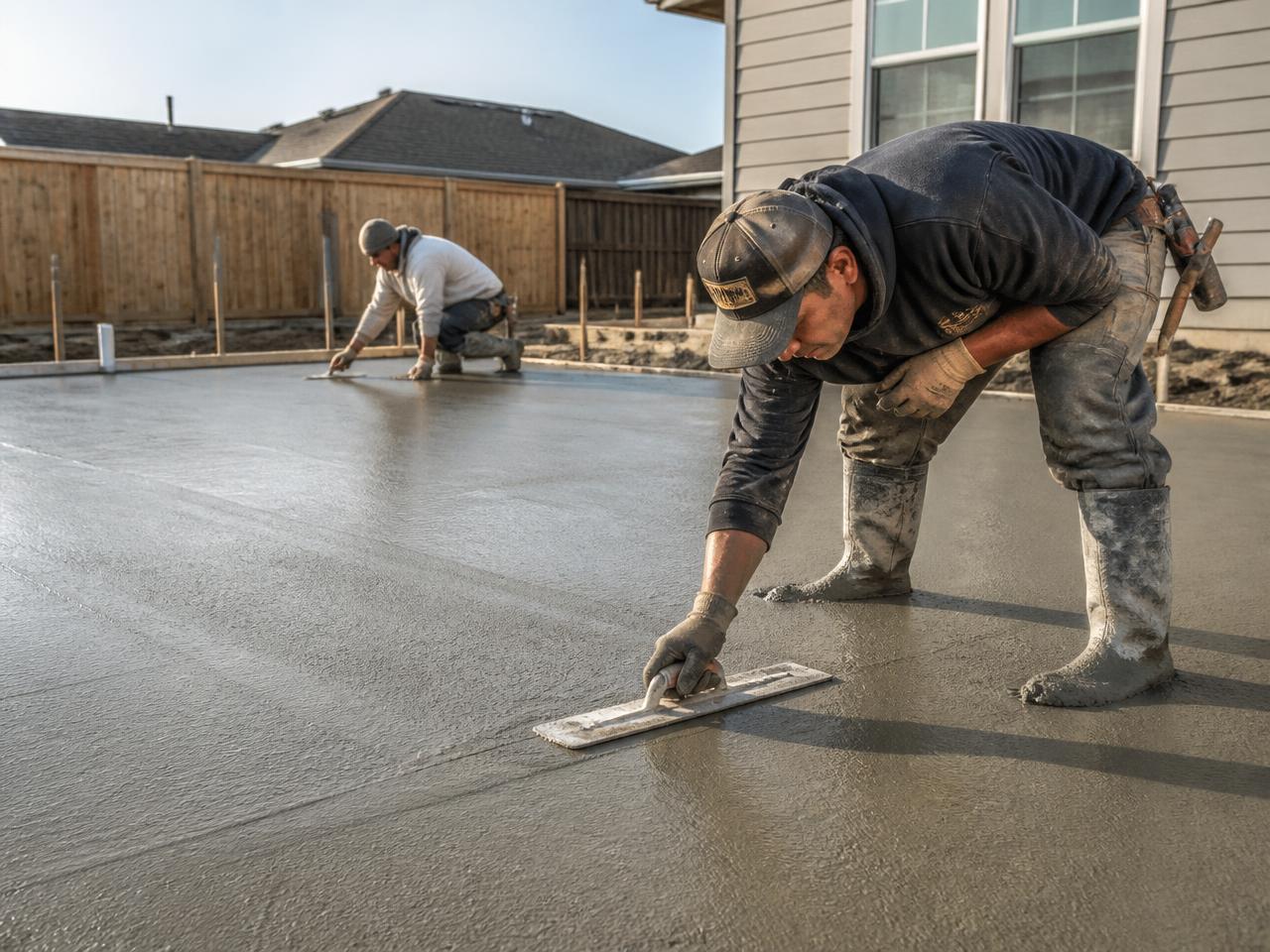
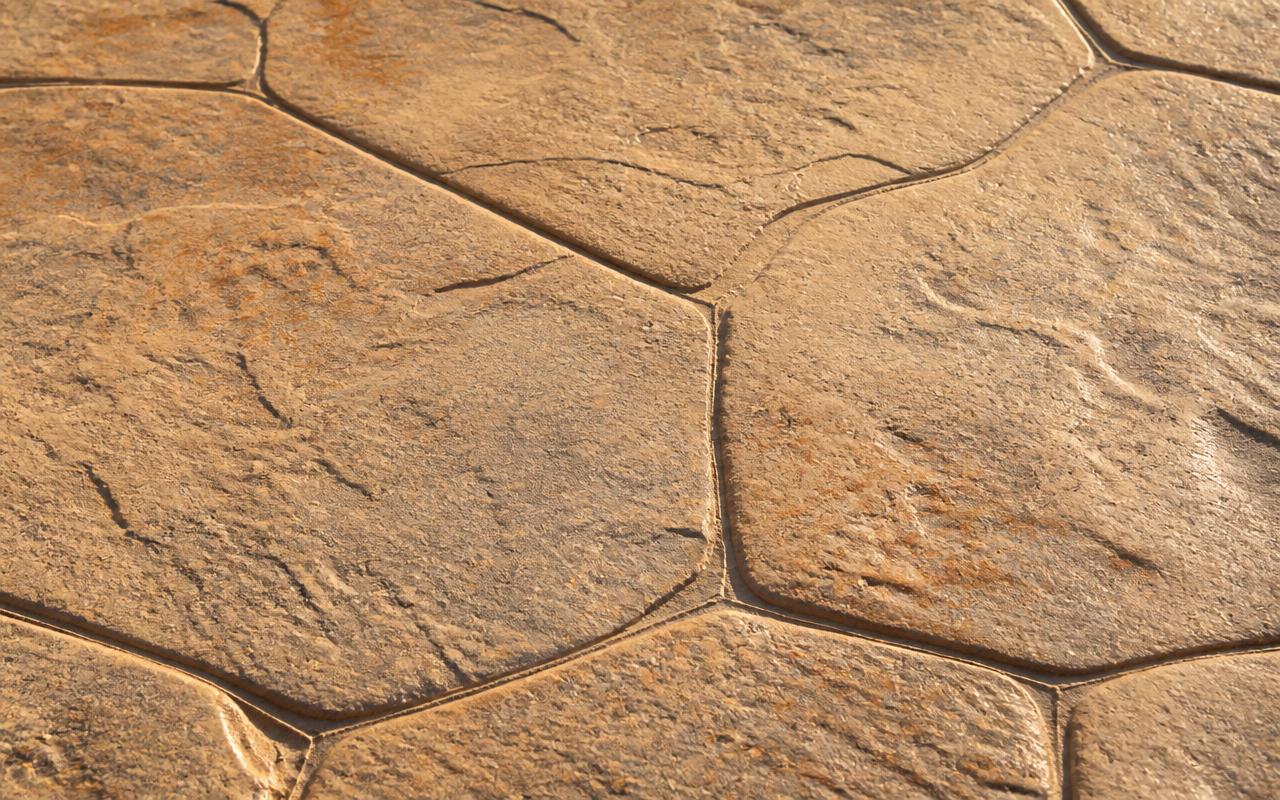
- Photo placeholderDriveway pour
- Photo placeholderFoundation footing
- Photo placeholderWalkway repair
Service area
Neighborhoods we work in
We cover Los Angeles, California and nearby communities. A few notes on what tends to shape concrete work in different parts of the city:
Downtown Los Angeles
Tight sites, shared alleys and loading constraints — work is usually phased and often pumped rather than truck-chuted.
Silver Lake & Echo Park
Hillside lots with stairs and steep driveways, where access and elevation planning matter as much as the pour itself.
Highland Park & Eagle Rock
Older bungalow lots with original walkways and porches that are frequently past repair and better replaced.
Hollywood & East Hollywood
Dense street parking and permit-heavy curb work; we plan truck staging before the day of the pour.
Mid-City & Koreatown
Mixed residential and small commercial flatwork, including path-of-travel and trash-enclosure pads.
West Los Angeles & Palms
Driveway replacements and garage-to-ADU pads on narrow lots with limited side-yard access.
Get in touch
Call and talk to someone who pours concrete
There’s no form on this website on purpose. Describe the slab on the phone and we’ll tell you what we’d need to see on site. You can also read reviews and get directions through our Google Business Profile.
Contact details
BusinessLos Concrete ContractorsService areaLos Angeles, CA and nearby communitiesPhone(657) 567-5267We publish a service area rather than a street address — this is mobile field work across Los Angeles.
Answers
Common questions
What areas around Los Angeles do you work in?
We work throughout Los Angeles, California and nearby communities, including Downtown, Silver Lake, Echo Park, Highland Park, Hollywood, Mid-City, Koreatown, West Los Angeles, Boyle Heights, South Los Angeles and San Fernando Valley neighborhoods. Call (657) 567-5267 and we'll confirm whether your address is in range.
How do I get an estimate if there's no form on the site?
By phone. Call (657) 567-5267, describe the project, and we'll set up an on-site look. We deliberately don't run a contact form, newsletter or chat widget — a two-minute conversation gets to a real number faster.
Do I need a permit for concrete work?
It depends on the scope. Structural work such as footings, stem walls and slabs for additions or ADUs is permitted and inspected, and work touching the public sidewalk, curb or gutter generally requires a City of Los Angeles permit. Simple replacement of a private patio slab often does not. We'll tell you which category your project falls into before work starts.
How long before I can walk or drive on new concrete?
Concrete gains strength over time rather than all at once. Foot traffic typically waits a day or more and vehicle traffic considerably longer, depending on mix, thickness, weather and the specific pour. We give you the actual timeline for your slab at the walkthrough — don't guess from a general rule.
Talk to a concrete contractor in Los Angeles
One phone call, a straight conversation about your slab, and an on-site look. No forms, no email capture, no chat bots.